Understanding the Growth Trajectory of Wild Mustangs: A Comprehensive Guide
Understanding the Growth Trajectory of Wild Mustangs: A Comprehensive Guide
Introduction
With great pleasure, we will explore the intriguing topic related to Understanding the Growth Trajectory of Wild Mustangs: A Comprehensive Guide. Let’s weave interesting information and offer fresh perspectives to the readers.
Table of Content
Understanding the Growth Trajectory of Wild Mustangs: A Comprehensive Guide
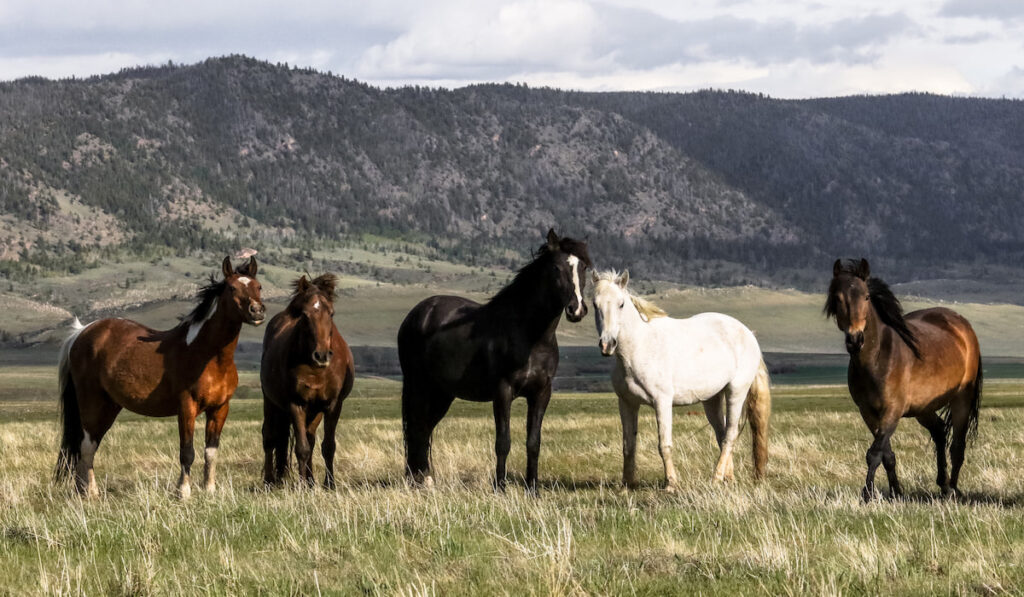
The American Mustang, a symbol of freedom and resilience, is a captivating creature. Its wild spirit and robust physique are a testament to its ability to thrive in challenging environments. However, the question of when these iconic horses reach their full growth potential remains a common query. Unlike domesticated breeds, wild mustangs are subject to the rigors of nature, impacting their growth patterns. This article delves into the complexities of Mustang growth, exploring the factors that influence their development and offering insights into the age at which they reach maturity.
Factors Influencing Mustang Growth:
Several factors contribute to the unique growth trajectory of wild mustangs:
- Genetics: The genetic makeup of a Mustang, influenced by its lineage and breed, plays a crucial role in determining its potential size and growth rate. Certain bloodlines may exhibit a tendency towards larger or smaller builds, impacting their final stature.
- Nutrition: Access to sufficient and nutritious forage is paramount for optimal growth. Wild mustangs rely on grazing, and the availability and quality of vegetation directly influence their physical development. A scarcity of food can hinder growth, leading to smaller and less robust individuals.
- Environmental Conditions: The harsh realities of the wild environment exert a significant impact on Mustang growth. Extreme weather conditions, such as drought and harsh winters, can impose physiological stress, potentially slowing down growth rates.
- Health and Disease: The presence of parasites, infections, and injuries can compromise a Mustang’s health, hindering its growth and development.
Growth Stages and Maturity:
While individual variation exists, a general timeline for Mustang growth can be observed:
- Foalhood (Birth to 1 Year): During this stage, foals experience rapid growth, gaining weight and height at a remarkable pace. They rely heavily on their mother’s milk for sustenance and protection, developing essential skills and instincts.
- Yearling (1 to 2 Years): As yearlings, mustangs continue to grow, albeit at a slower rate compared to foalhood. They start to wean from their mothers and develop their independence, learning to forage and navigate their environment.
- Juvenile (2 to 3 Years): The juvenile stage marks a transition towards adulthood. Mustangs reach sexual maturity during this period, but their physical growth continues, albeit at a more gradual pace.
- Adult (3 Years and Onward): By the age of three, most mustangs have reached their full physical potential, although they may continue to gain muscle mass and refine their physique throughout their lives.
Age of Full Growth:
While the specific age at which a Mustang reaches its full growth potential can vary, three years is generally considered the age of maturity. By this time, they have attained their maximum height and weight, and their skeletal development is complete. However, it is crucial to remember that individual variation exists, and some mustangs may continue to grow slightly beyond this age, particularly those with favorable genetics and access to abundant resources.
The Importance of Understanding Mustang Growth:
Comprehending the growth trajectory of wild mustangs holds significant implications for their well-being and management:
- Conservation Efforts: Understanding the factors influencing their growth and development is crucial for successful conservation efforts. This knowledge helps researchers and conservationists implement strategies to protect Mustang populations and ensure their long-term survival.
- Management Practices: Effective management of Mustang herds requires an understanding of their growth patterns. This knowledge allows for appropriate resource allocation, ensuring that all individuals have access to sufficient food and water for optimal growth and development.
- Health Monitoring: Monitoring the growth and development of Mustang foals and yearlings allows for early detection of health issues that could hinder their growth. This proactive approach contributes to the overall health and well-being of Mustang populations.
FAQs about Mustang Growth:
Q: Do mustangs grow faster than domestic horses?
A: The growth rate of mustangs can vary depending on factors like genetics, nutrition, and environmental conditions. However, in general, wild mustangs tend to grow slightly slower than domesticated breeds due to the challenges of their natural environment.
Q: Can a Mustang continue to grow after three years?
A: While most mustangs reach their full height and weight by three years, some individuals may continue to grow slightly beyond this age, particularly those with favorable genetics and access to abundant resources.
Q: How can I tell if a Mustang is fully grown?
A: Observing a Mustang’s physical development, such as its height, weight, and skeletal structure, can provide insights into its growth stage. However, it is important to note that individual variation exists, and it can be challenging to determine a Mustang’s exact age based solely on its appearance.
Q: What are the signs of a healthy growing Mustang?
A: A healthy growing Mustang exhibits a sleek and shiny coat, bright eyes, a healthy appetite, and a playful and energetic demeanor. They should also be free from signs of disease or injury, such as coughing, limping, or lethargy.
Tips for Observing Mustang Growth:
- Monitor their weight and height: Regular measurements can provide insights into their growth trajectory.
- Observe their behavior: Pay attention to their energy levels, feeding habits, and interactions with other horses.
- Seek professional advice: If you have concerns about a Mustang’s growth or health, consult a veterinarian or equine expert.
Conclusion:
The growth trajectory of wild mustangs is a fascinating and complex process influenced by a variety of factors. While three years is generally considered the age of maturity, individual variation exists, and some mustangs may continue to grow slightly beyond this age. Understanding the factors influencing their growth is crucial for effective conservation and management practices, ensuring the well-being of these iconic creatures. By appreciating the unique aspects of Mustang growth, we can contribute to their continued resilience and ensure their presence in the wild for generations to come.

:max_bytes(150000):strip_icc()/GettyImages-1269219332-6fdd665319a4409da462511aefcf474f.jpg)



Closure
Thus, we hope this article has provided valuable insights into Understanding the Growth Trajectory of Wild Mustangs: A Comprehensive Guide. We appreciate your attention to our article. See you in our next article!