The Future of Mobility: A Look at the Evolving Landscape of Electric Vehicles
The Future of Mobility: A Look at the Evolving Landscape of Electric Vehicles
Introduction
With enthusiasm, let’s navigate through the intriguing topic related to The Future of Mobility: A Look at the Evolving Landscape of Electric Vehicles. Let’s weave interesting information and offer fresh perspectives to the readers.
Table of Content
The Future of Mobility: A Look at the Evolving Landscape of Electric Vehicles
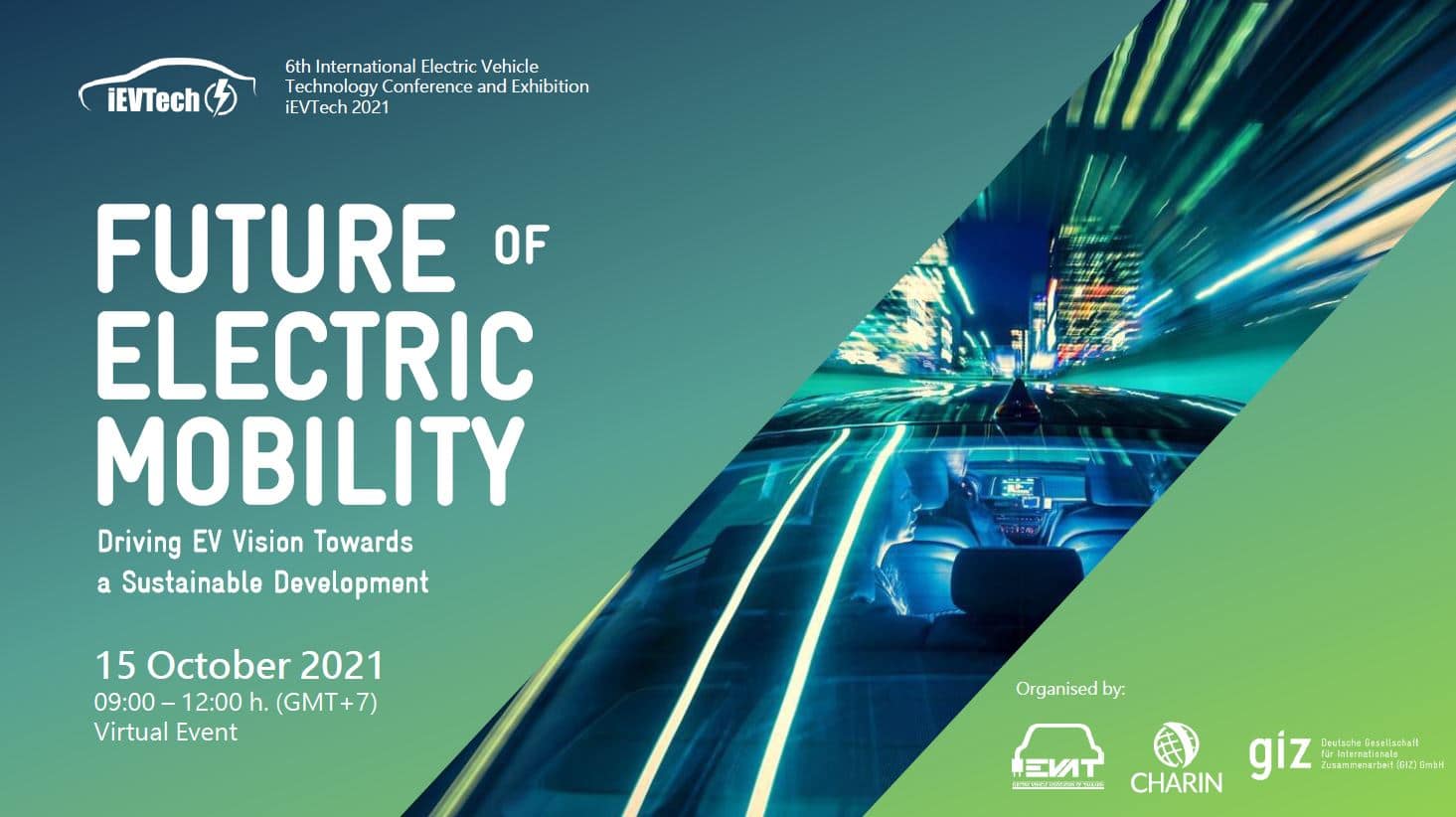
The automotive industry is undergoing a dramatic transformation, driven by advancements in technology and a growing demand for sustainable transportation solutions. Electric vehicles (EVs) are at the forefront of this revolution, with manufacturers constantly pushing the boundaries of innovation to deliver more efficient, powerful, and accessible models.
While specific details regarding a "nouveau model Y 2025" are not readily available, it is possible to speculate on the key features and advancements that are likely to characterize the next generation of electric vehicles.
The Evolution of Electric Vehicles: A Look at Key Trends
1. Range and Charging Infrastructure:
One of the primary concerns for potential EV buyers is range anxiety – the fear of running out of battery power before reaching their destination. The industry is addressing this concern through advancements in battery technology and the development of a robust charging infrastructure.
- Battery Innovation: Manufacturers are constantly exploring new battery chemistries, including solid-state batteries, that offer higher energy density and faster charging capabilities. This translates to longer driving ranges and reduced charging times.
- Charging Infrastructure Expansion: The expansion of public charging stations is a crucial factor in promoting EV adoption. Governments and private companies are investing heavily in building a network of fast-charging stations along major highways and in urban areas. This will significantly reduce charging time and make long-distance travel more convenient.
2. Advanced Safety Features:
Safety remains a paramount concern for car manufacturers, and EVs are no exception. The integration of advanced driver-assistance systems (ADAS) and autonomous driving technologies is rapidly changing the automotive landscape.
- ADAS and Autonomous Driving: Features like lane-keeping assist, adaptive cruise control, blind spot monitoring, and automatic emergency braking are becoming increasingly common in EVs. These technologies enhance driver safety and reduce the risk of accidents.
- Improved Vehicle Dynamics: EVs have a lower center of gravity compared to traditional gasoline-powered cars, which contributes to better handling and stability. Advanced suspension systems further enhance ride comfort and handling.
3. Connectivity and Infotainment:
Modern EVs are not just vehicles; they are connected platforms that offer a seamless and engaging driving experience.
- Over-the-Air Updates: EVs are capable of receiving software updates wirelessly, allowing for continuous improvements in performance, features, and safety.
- Advanced Infotainment Systems: Large touchscreens, voice assistants, and integrated navigation systems provide an intuitive and connected driving experience.
4. Sustainability and Environmental Impact:
The primary motivation for EV adoption is their contribution to a cleaner and more sustainable future.
- Reduced Emissions: EVs produce zero tailpipe emissions, contributing to improved air quality and reducing greenhouse gas emissions.
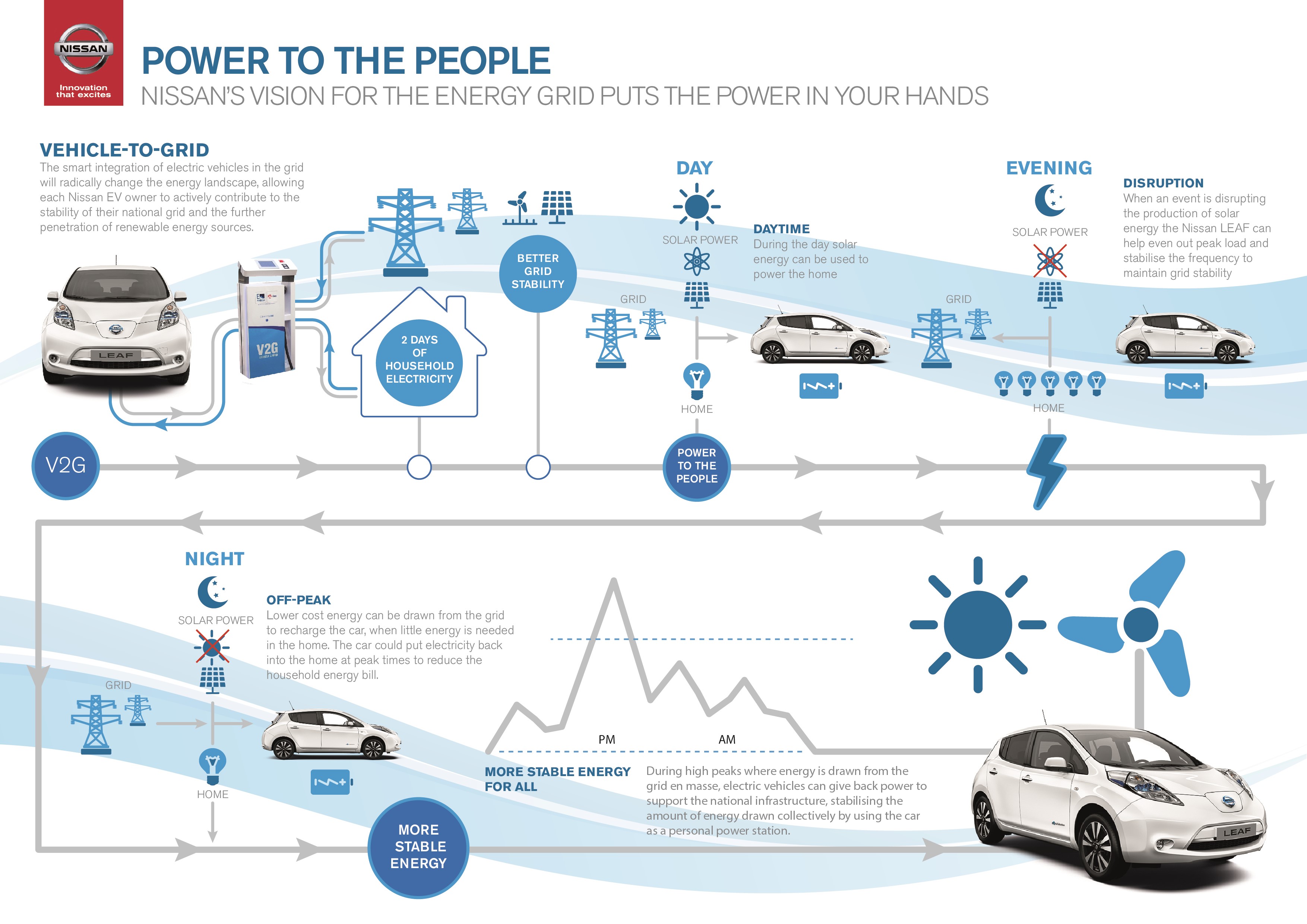
- Renewable Energy Integration: EVs can be charged using renewable energy sources like solar and wind power, further reducing their environmental footprint.
5. Design and Aesthetics:
EVs are pushing the boundaries of automotive design, showcasing sleek and futuristic aesthetics.
- Aerodynamic Design: EVs benefit from streamlined designs that minimize drag and improve efficiency.
- Innovative Interiors: EVs offer spacious interiors with minimalist designs and premium materials.
The Future of Mobility: A Vision of Sustainability and Innovation
The evolution of electric vehicles is a testament to the rapid advancements in technology and the growing demand for sustainable transportation solutions. As the industry continues to innovate, EVs are poised to become the dominant mode of transportation in the years to come.
FAQs about Future Electric Vehicles
1. What are the key factors influencing the development of electric vehicles?
The development of electric vehicles is driven by several factors, including:
- Government regulations and incentives: Governments worldwide are implementing policies to promote EV adoption, including tax credits, subsidies, and emission regulations.
- Technological advancements: Advancements in battery technology, charging infrastructure, and autonomous driving technology are fueling the growth of the EV market.
- Consumer demand: Increasing awareness of environmental concerns and the desire for a sustainable lifestyle are driving consumer demand for EVs.
2. What are the potential benefits of electric vehicles?
Electric vehicles offer several benefits, including:
- Reduced emissions: EVs produce zero tailpipe emissions, contributing to improved air quality and reduced greenhouse gas emissions.
- Lower operating costs: EVs have lower operating costs compared to gasoline-powered cars, thanks to lower fuel costs and reduced maintenance requirements.
- Improved performance: EVs offer instant torque and smooth acceleration, providing a more responsive and enjoyable driving experience.
3. What are the challenges associated with the widespread adoption of electric vehicles?
The widespread adoption of electric vehicles faces several challenges, including:
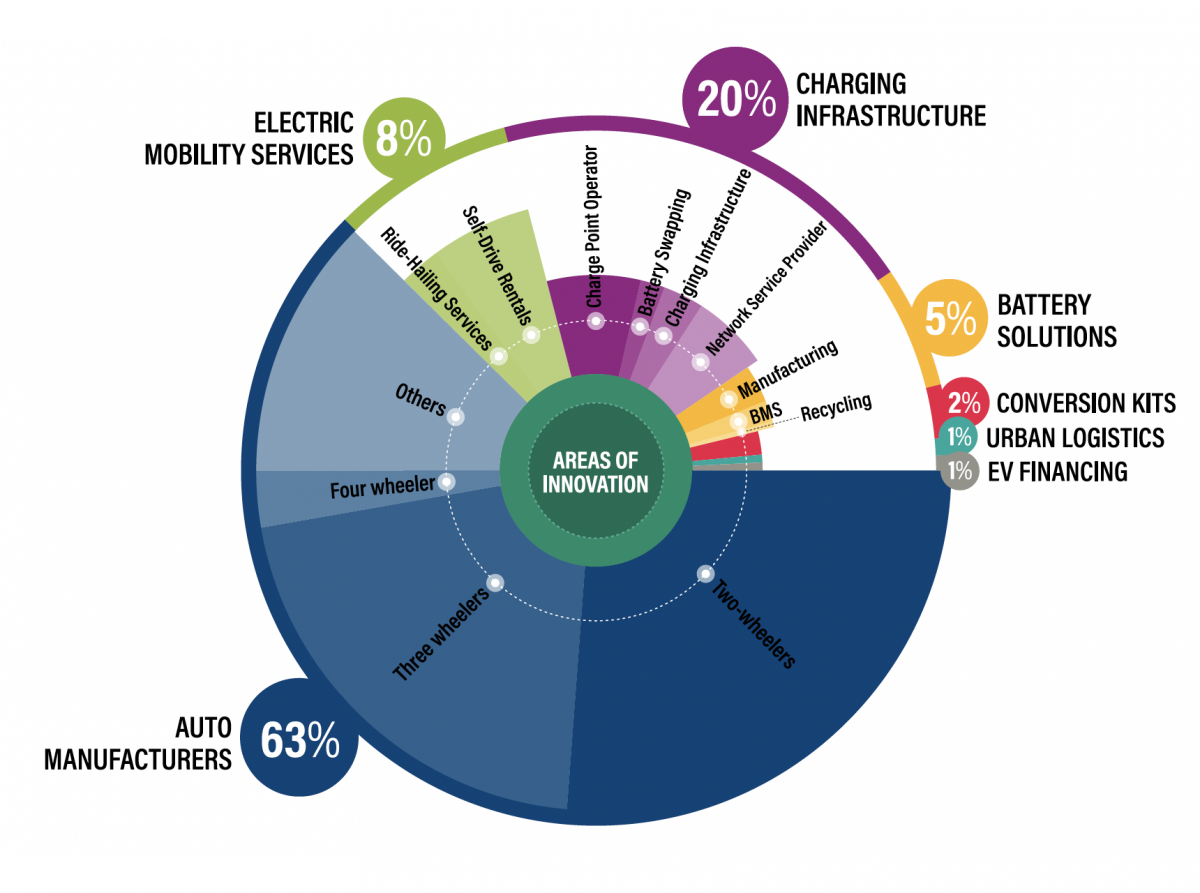
- Battery range and charging infrastructure: The limited range of current EVs and the lack of a robust charging infrastructure are significant barriers to adoption.
- Battery cost and recycling: The high cost of batteries and the challenges associated with battery recycling need to be addressed.
- Limited model availability: The selection of EV models is still relatively limited compared to gasoline-powered vehicles.
4. How can the automotive industry address the challenges associated with electric vehicles?
The automotive industry can address the challenges associated with electric vehicles by:
- Investing in battery technology: Continued research and development in battery technology is crucial to improve range, reduce cost, and enhance charging capabilities.
- Expanding charging infrastructure: Governments and private companies need to invest in building a robust charging network to make EV ownership more convenient.
- Developing affordable EV models: Manufacturers need to focus on developing affordable EV models that are accessible to a wider range of consumers.
Tips for Potential Electric Vehicle Buyers
- Research your options: Consider your driving needs, budget, and available charging infrastructure before making a purchase.
- Explore government incentives: Check for available tax credits, subsidies, and other incentives that can offset the cost of an EV.
- Test drive different models: Get behind the wheel of various EVs to experience their performance and features firsthand.
- Consider charging options: Evaluate the availability of public charging stations in your area and consider home charging options.
Conclusion
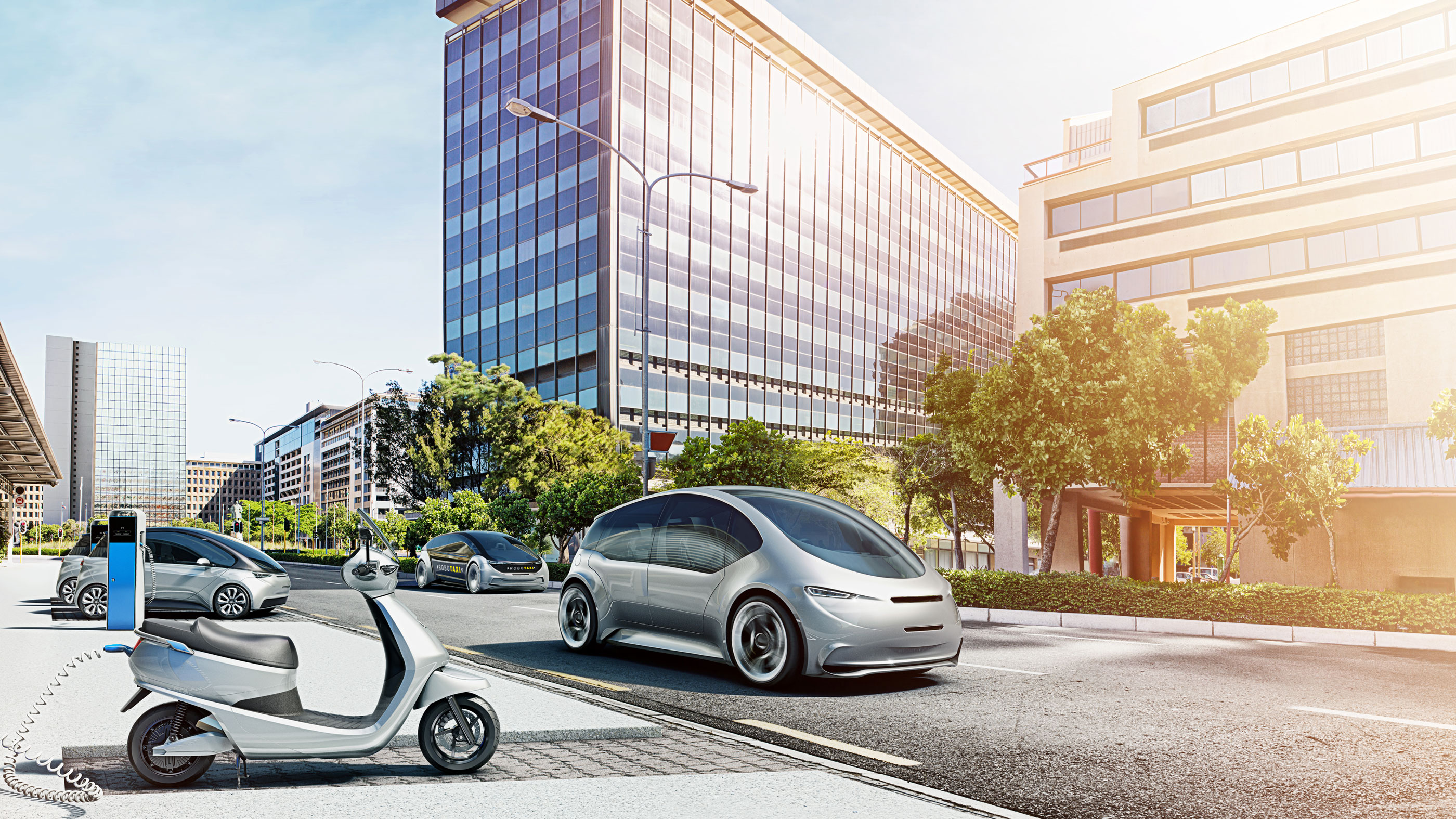
The future of mobility is electric. As the industry continues to innovate, electric vehicles are poised to become the dominant mode of transportation, offering a cleaner, more efficient, and more sustainable future. By embracing the opportunities presented by electric vehicles, we can create a future where transportation is not only convenient but also environmentally responsible.



Closure
Thus, we hope this article has provided valuable insights into The Future of Mobility: A Look at the Evolving Landscape of Electric Vehicles. We thank you for taking the time to read this article. See you in our next article!