The Automotive Horizon: A Glimpse into 2025 Model Year Cars
The Automotive Horizon: A Glimpse into 2025 Model Year Cars
Introduction
With enthusiasm, let’s navigate through the intriguing topic related to The Automotive Horizon: A Glimpse into 2025 Model Year Cars. Let’s weave interesting information and offer fresh perspectives to the readers.
Table of Content
The Automotive Horizon: A Glimpse into 2025 Model Year Cars
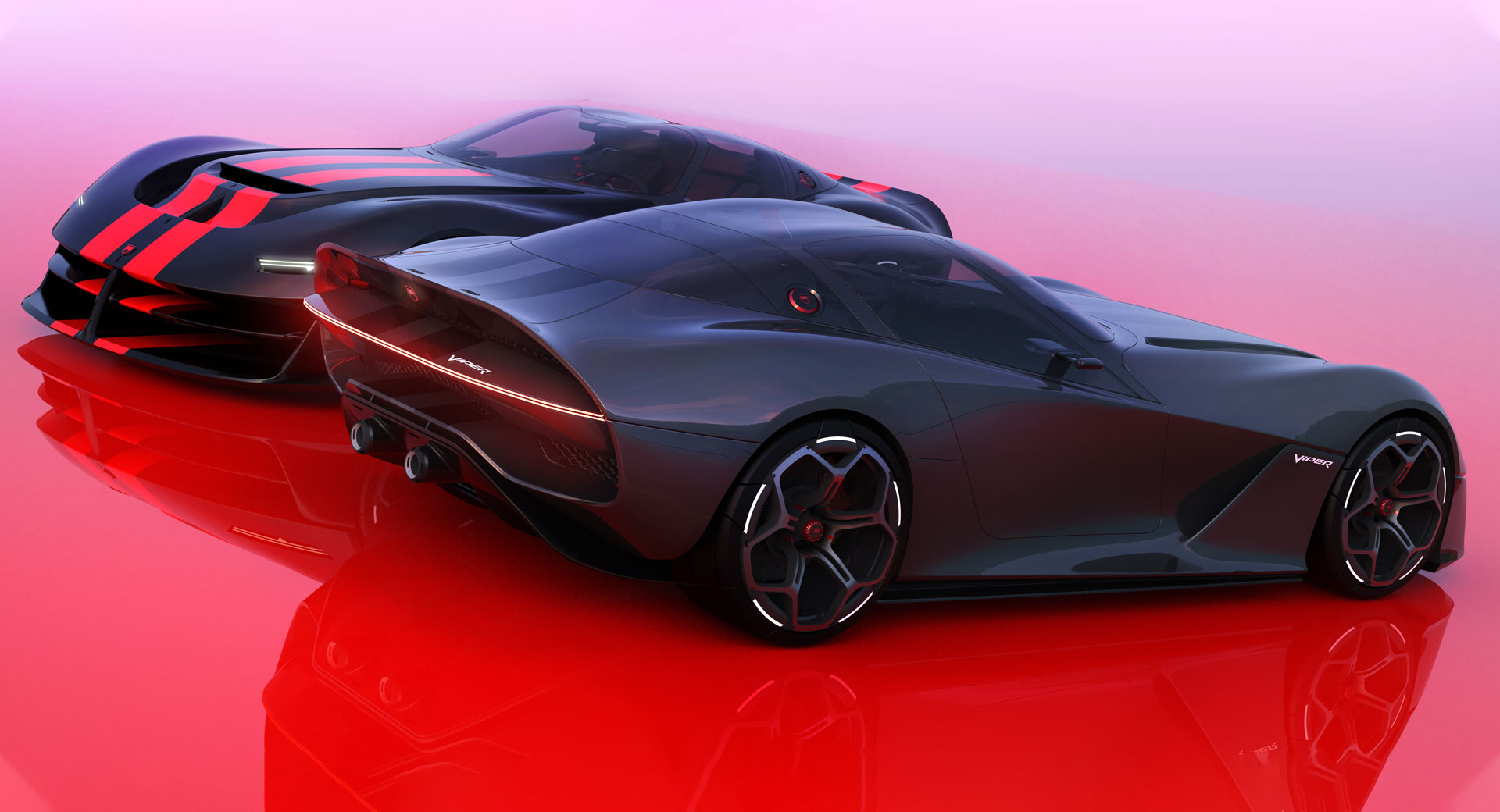
The automotive industry is in a state of rapid evolution, driven by technological advancements and a growing focus on sustainability. As we approach 2025, the landscape of automobiles is set to transform significantly, with vehicles boasting innovative features, enhanced safety, and a commitment to environmental responsibility.
The Rise of Electrification:
One of the most prominent trends shaping the 2025 model year is the widespread adoption of electric vehicles (EVs). Manufacturers are investing heavily in developing electric powertrains, offering a diverse range of EVs across various segments, from compact city cars to high-performance sports vehicles. This shift is driven by a confluence of factors, including government incentives, falling battery costs, and increasing consumer demand for eco-friendly transportation solutions.
Advanced Driver-Assistance Systems (ADAS):
2025 model year cars will feature a significant leap in ADAS capabilities. Beyond basic features like lane departure warning and adaptive cruise control, vehicles will incorporate more sophisticated systems like automated lane changing, traffic jam assist, and even limited self-driving capabilities in specific environments. These advancements contribute to enhanced safety and driver comfort, promising a future where driving becomes less stressful and more efficient.
Connectivity and Infotainment:
The integration of advanced connectivity and infotainment systems is another defining characteristic of 2025 model year cars. Vehicles will seamlessly connect to the internet, offering access to a vast array of services, including navigation, entertainment, and real-time information. This interconnectedness will also enable over-the-air updates, allowing manufacturers to continuously improve vehicle performance and add new features without requiring physical visits to dealerships.
Personalized and Intuitive Experiences:
The focus on personalization is evident in the development of user interfaces and driver-assistance systems. 2025 model year cars will feature intuitive touchscreens, voice control, and gesture recognition, providing drivers with a seamless and tailored experience. This shift towards personalized technology will further enhance driver comfort and convenience.
Sustainable Materials and Manufacturing:
Environmental consciousness is a core principle guiding the development of 2025 model year cars. Manufacturers are actively exploring and implementing sustainable materials, such as recycled plastics and bio-based components, in their vehicles. Additionally, production processes are being optimized for energy efficiency and reduced carbon footprint, contributing to a more environmentally responsible automotive industry.
Beyond the Horizon: A Look into the Future:
While the 2025 model year marks a significant milestone, the automotive industry is constantly evolving. Looking beyond this timeframe, the focus is likely to shift towards further automation, with the development of fully autonomous vehicles becoming a reality. The integration of artificial intelligence (AI) and machine learning will play a crucial role in enabling autonomous driving, further enhancing safety and efficiency.
Frequently Asked Questions (FAQs) About 2025 Model Year Cars:
Q: What are the main benefits of 2025 model year cars?
A: 2025 model year cars offer several advantages, including:
- Enhanced safety: Advanced driver-assistance systems (ADAS) and autonomous driving capabilities contribute to safer driving experiences.
- Increased efficiency: Electric powertrains and optimized engine technologies improve fuel efficiency and reduce emissions.
- Improved connectivity: Seamless internet connectivity enables access to a wide range of services and information.
- Personalized experiences: Intuitive user interfaces and customizable features provide a tailored and comfortable driving experience.
- Environmental sustainability: The use of sustainable materials and efficient manufacturing processes reduces the environmental impact of vehicle production and operation.
Q: What are some of the key technological advancements in 2025 model year cars?
A: Key technological advancements include:
- Electric powertrains: A wider range of EVs with improved battery technology and longer driving ranges.
- Advanced driver-assistance systems (ADAS): Sophisticated features like automated lane changing, traffic jam assist, and limited self-driving capabilities.
- Connectivity and infotainment: Seamless internet connectivity, advanced navigation systems, and personalized entertainment options.
- Artificial intelligence (AI): AI-powered features like voice control, gesture recognition, and predictive maintenance.
- Sustainable materials: Increased use of recycled plastics, bio-based components, and other environmentally friendly materials.
Q: What are some of the challenges facing the automotive industry as it moves towards 2025?
A: Challenges include:
- Infrastructure development: Expanding charging infrastructure for EVs is crucial to support the growing adoption of electric vehicles.
- Cost of technology: Developing and implementing advanced technologies can be expensive, potentially impacting the affordability of vehicles.
- Consumer adoption: Educating consumers about the benefits of new technologies and overcoming concerns about safety and reliability is essential.
- Regulation and standardization: Developing clear regulations and standards for autonomous driving and other emerging technologies is necessary to ensure safety and consumer confidence.
Tips for Choosing a 2025 Model Year Car:
- Consider your needs: Think about your driving habits, commute, and lifestyle to determine the best vehicle type for you.
- Research available models: Explore different manufacturers and models to compare features, specifications, and pricing.
- Test drive multiple options: Experience different vehicles firsthand to get a feel for their handling, comfort, and technology.
- Prioritize safety features: Look for vehicles with advanced driver-assistance systems (ADAS) and other safety features.
- Evaluate fuel efficiency and emissions: Consider the environmental impact of your vehicle choice and opt for fuel-efficient or electric options.
- Check for connectivity and infotainment features: Ensure the vehicle offers the connectivity and entertainment features you desire.
- Consider long-term costs: Factor in the cost of ownership, including maintenance, insurance, and fuel or electricity.
Conclusion:
The 2025 model year marks a pivotal point in the evolution of the automotive industry. Vehicles will be equipped with advanced technologies, prioritizing safety, efficiency, and sustainability. While challenges remain, the industry is poised for significant growth and innovation, ushering in a new era of mobility that promises a more connected, comfortable, and environmentally responsible driving experience. As the automotive landscape continues to evolve, the vehicles of 2025 will undoubtedly play a key role in shaping the future of transportation.

Closure
Thus, we hope this article has provided valuable insights into The Automotive Horizon: A Glimpse into 2025 Model Year Cars. We appreciate your attention to our article. See you in our next article!