Navigating the Future of Electric Mobility: A Look at Lucid Air’s Charging Landscape in 2025
Navigating the Future of Electric Mobility: A Look at Lucid Air’s Charging Landscape in 2025
Introduction
In this auspicious occasion, we are delighted to delve into the intriguing topic related to Navigating the Future of Electric Mobility: A Look at Lucid Air’s Charging Landscape in 2025. Let’s weave interesting information and offer fresh perspectives to the readers.
Table of Content
Navigating the Future of Electric Mobility: A Look at Lucid Air’s Charging Landscape in 2025

The electric vehicle (EV) landscape is rapidly evolving, with advancements in battery technology and charging infrastructure constantly pushing the boundaries of what is possible. One key area of focus is the time it takes to recharge an EV, as this directly impacts user experience and overall adoption. In this context, it is crucial to understand the charging dynamics of prominent players like Lucid Motors and how their offerings are expected to evolve in the coming years.
Lucid Air’s Charging Capabilities: A Current Perspective
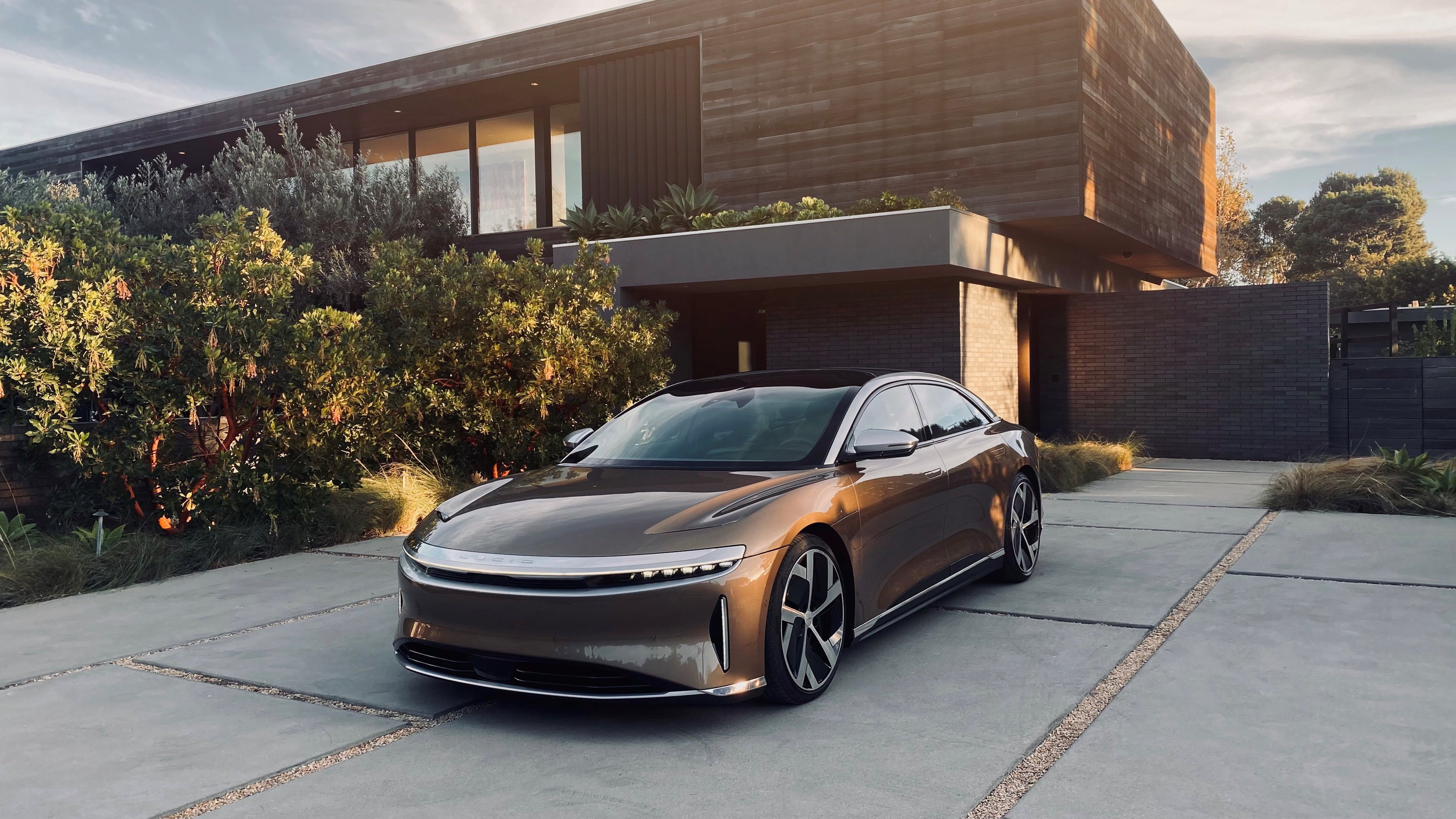
Lucid Air, known for its impressive range and performance, currently boasts a 113 kWh battery pack. This allows the vehicle to achieve a remarkable range of up to 520 miles on a single charge, according to EPA estimates. However, the time required to replenish that energy is a key consideration.
Lucid Air’s charging capabilities are heavily influenced by the type of charging station used. Level 1 charging, using a standard household outlet, is the slowest option, delivering a meager 4-6 miles of range per hour. Level 2 charging, typically found at home or public charging stations, provides a significantly faster recharge rate, adding roughly 20-30 miles of range per hour.
The fastest charging option is DC Fast Charging (DCFC), which utilizes high-voltage direct current to deliver a substantial amount of energy in a short period. Lucid Air is compatible with DCFC networks like Electrify America and Tesla Superchargers, enabling the vehicle to achieve an 80% charge in approximately 20 minutes.
Forecasting the Future: 2025 and Beyond
While Lucid Air’s current charging capabilities are impressive, the future holds even greater potential. As battery technology advances and charging infrastructure expands, the time required to recharge an EV is expected to decrease significantly.
Several key factors will contribute to this evolution:
- Battery Capacity and Efficiency: Battery technology is constantly improving, leading to higher energy densities and improved efficiency. This translates to larger battery capacities within a similar physical footprint, enabling longer ranges and faster charging times.
- Charging Infrastructure Expansion: The development and deployment of high-power charging stations are critical for enabling rapid recharging.
- Advanced Charging Technologies: The emergence of technologies like bi-directional charging and wireless charging promises to further revolutionize the charging landscape.
Lucid’s Commitment to Innovation
Lucid Motors is actively investing in research and development to optimize its charging technology. The company is committed to providing a seamless and efficient charging experience for its customers. This includes:
- Optimizing Battery Management Systems: Lucid is constantly refining its battery management systems to maximize charging efficiency and extend battery life.
- Partnering with Charging Network Providers: Lucid collaborates with leading charging network providers like Electrify America to expand the availability of DCFC stations.
- Exploring Future Charging Technologies: Lucid is actively researching and experimenting with advanced charging technologies like wireless charging and bi-directional charging.
The Importance of Charging Time
The time it takes to recharge an EV is a critical factor influencing user experience and overall adoption. Faster charging times make EVs more practical and convenient for everyday use, reducing range anxiety and increasing their appeal to a wider audience.
Potential Benefits of Faster Charging
- Reduced Range Anxiety: Faster charging reduces the concern about running out of charge, making EVs more suitable for long-distance travel.
- Increased Convenience: Rapid recharging allows users to quickly top up their batteries during short stops, making EVs more convenient for daily commutes and errands.
- Enhanced User Experience: A seamless and efficient charging experience contributes to a more positive user experience, fostering greater satisfaction with EVs.
FAQs: Understanding the Charging Landscape
Q: How long does it take to charge a Lucid Air in 2025?
A: The estimated charging time for a Lucid Air in 2025 depends on the charging method used. With Level 1 charging, it could take several hours to fully charge the battery. Level 2 charging will significantly reduce the time, while DCFC is expected to enable a near-full charge in under 20 minutes.
Q: What are the key factors influencing charging times in the future?
A: Battery capacity, charging infrastructure expansion, and advanced charging technologies will play significant roles in determining charging times in the future.
Q: Will Lucid Air support wireless charging in 2025?
A: While wireless charging technology is still in its early stages, Lucid is actively exploring its potential and may incorporate it into future models.
Q: What are the benefits of faster charging times for EV owners?
A: Faster charging times reduce range anxiety, increase convenience, and enhance the overall user experience.
Tips for Optimizing Charging Time
- Utilize Level 2 Charging: Whenever possible, use Level 2 charging at home or public charging stations for faster charging speeds.
- Plan Your Trips: Use navigation systems that factor in charging locations and times to ensure a seamless journey.
- Charge When Possible: Take advantage of opportunities to charge your vehicle while it is parked, such as during work hours or overnight.
Conclusion
The future of electric mobility is bright, with advancements in battery technology and charging infrastructure continuously pushing the boundaries of what is possible. Lucid Air, with its commitment to innovation and its focus on providing a superior user experience, is poised to play a significant role in shaping this future. As charging times continue to decrease and the charging network expands, EVs are becoming increasingly practical and appealing for a wider range of consumers, paving the way for a more sustainable and cleaner transportation landscape.


Closure
Thus, we hope this article has provided valuable insights into Navigating the Future of Electric Mobility: A Look at Lucid Air’s Charging Landscape in 2025. We thank you for taking the time to read this article. See you in our next article!