Navigating the Dutch "Bijtelling" for the Tesla Model Y in 2025
Navigating the Dutch "Bijtelling" for the Tesla Model Y in 2025
Introduction
With great pleasure, we will explore the intriguing topic related to Navigating the Dutch "Bijtelling" for the Tesla Model Y in 2025. Let’s weave interesting information and offer fresh perspectives to the readers.
Table of Content
Navigating the Dutch "Bijtelling" for the Tesla Model Y in 2025

The Dutch "bijtelling" system, a tax on company cars, significantly impacts the cost of owning a Tesla Model Y for business purposes. Understanding the intricacies of this system is crucial for making informed decisions about vehicle acquisition and usage. This article delves into the "bijtelling" regulations for the Tesla Model Y in 2025, providing a clear and comprehensive overview of the factors that influence the tax burden and offering valuable insights for businesses and individuals considering this popular electric vehicle.
Understanding the "Bijtelling" System
The "bijtelling" system is a unique Dutch tax policy designed to encourage the use of environmentally friendly vehicles. It functions by taxing a portion of the car’s list price as if it were salary, resulting in a higher income tax liability for the owner. The "bijtelling" percentage is determined by the car’s CO2 emissions and is applied to the car’s list price, including options and VAT.
The Tesla Model Y and "Bijtelling" in 2025
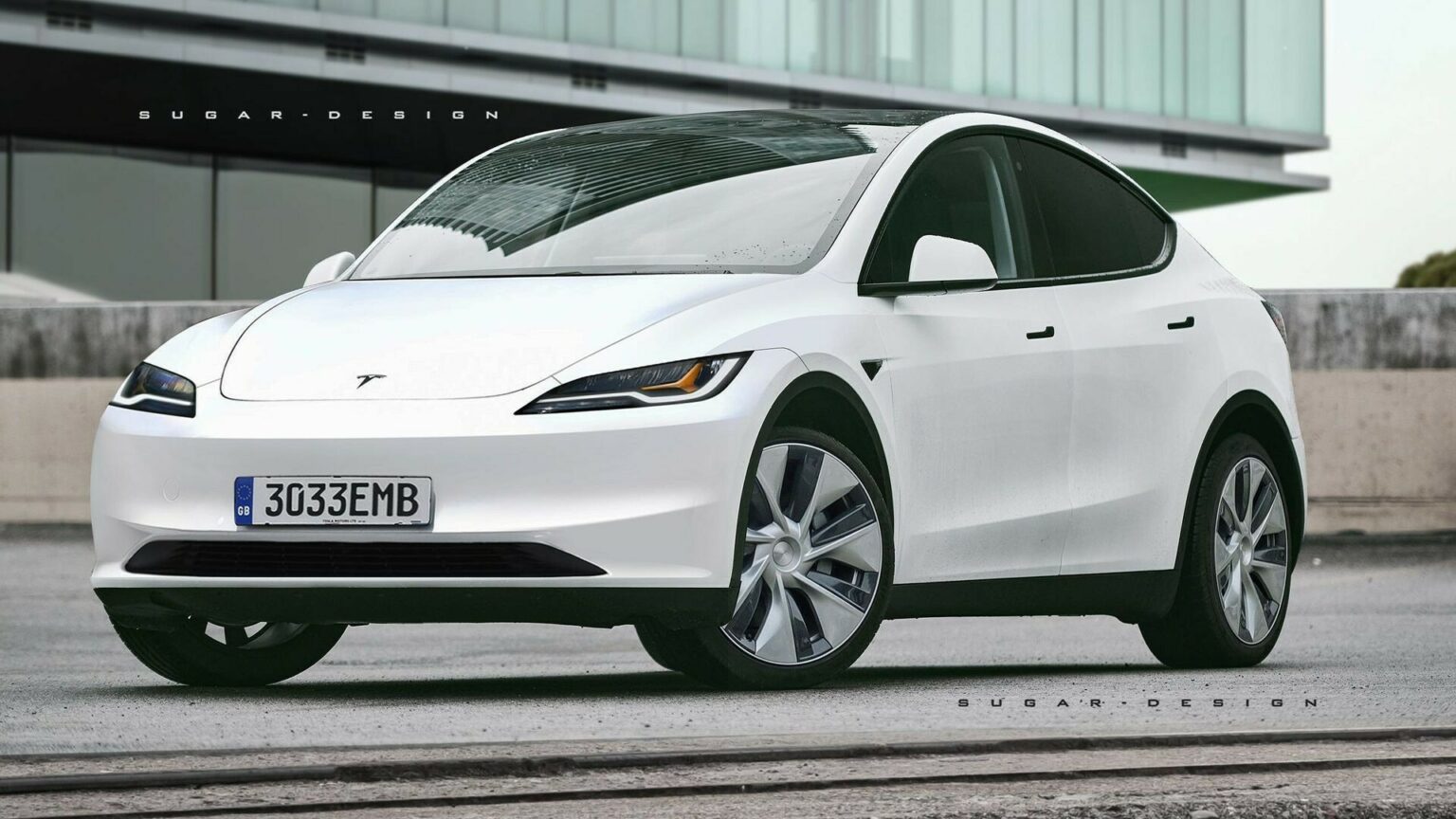
The Tesla Model Y, known for its spacious interior, advanced technology, and impressive electric range, has gained popularity in the Netherlands. However, its "bijtelling" implications are a key consideration for potential buyers. As of 2025, the "bijtelling" percentage for electric vehicles is expected to remain unchanged, with a fixed rate of 22%. This means that 22% of the Tesla Model Y’s list price will be added to the owner’s taxable income, leading to a higher tax liability.
Factors Influencing "Bijtelling" for the Tesla Model Y
Several factors influence the "bijtelling" cost for the Tesla Model Y:
- List Price: The base price of the Model Y, as well as any optional extras, directly impact the "bijtelling" calculation. Higher priced versions, with additional features, result in a higher "bijtelling" cost.
- CO2 Emissions: While electric vehicles have zero tailpipe emissions, the "bijtelling" system considers the energy required for production and battery charging. The "bijtelling" percentage for electric vehicles is fixed at 22%, regardless of the specific CO2 emissions of the model.
- Tax Bracket: The individual’s tax bracket plays a significant role in determining the overall financial impact of the "bijtelling". A higher tax bracket means a larger portion of the "bijtelling" is taxed at a higher rate, leading to a greater financial burden.
- Usage: The frequency and purpose of using the Tesla Model Y for business purposes also impact the overall "bijtelling" cost. More frequent business usage results in a higher "bijtelling" cost, as a larger portion of the vehicle’s expenses is attributed to business activities.
Benefits and Considerations for the Tesla Model Y and "Bijtelling"
Despite the "bijtelling" cost, the Tesla Model Y offers several advantages:
- Environmental Sustainability: As an electric vehicle, the Model Y contributes to reducing CO2 emissions and promoting sustainable transportation.
- Fuel Savings: The cost of electricity for charging the Model Y is significantly lower than the cost of fuel for traditional gasoline vehicles, leading to long-term savings.
- Tax Incentives: The Dutch government offers several tax incentives for electric vehicles, including a reduced purchase tax (BPM) and a higher depreciation rate for business owners.
However, potential buyers should also consider:
- High Purchase Price: The Tesla Model Y is a premium electric vehicle with a relatively high purchase price, which contributes to the "bijtelling" cost.
- Limited Charging Infrastructure: While charging infrastructure is improving, it may still be challenging to find charging stations in certain areas, especially for long-distance journeys.
FAQs regarding "Bijtelling" for the Tesla Model Y
Q: What is the "bijtelling" percentage for the Tesla Model Y in 2025?
A: The "bijtelling" percentage for electric vehicles in 2025 is 22%, regardless of the specific CO2 emissions of the model.
Q: How is the "bijtelling" cost calculated?
A: The "bijtelling" cost is calculated by multiplying the list price of the vehicle (including options and VAT) by the "bijtelling" percentage (22%). This amount is then added to the owner’s taxable income.
Q: What are the tax incentives available for electric vehicles in the Netherlands?
A: The Dutch government offers several tax incentives for electric vehicles, including a reduced purchase tax (BPM) and a higher depreciation rate for business owners.
Q: How does "bijtelling" affect the overall cost of owning a Tesla Model Y for business purposes?
A: The "bijtelling" cost adds a significant financial burden to the overall cost of owning a Tesla Model Y for business purposes. This cost is factored into the vehicle’s operational expenses and can impact the financial viability of choosing this model for business use.
Q: What are the alternatives to the Tesla Model Y in terms of "bijtelling" cost?
A: Several other electric vehicles are available in the Dutch market with lower "bijtelling" costs due to their lower list prices or specific tax incentives. These options should be carefully considered in relation to the specific needs and budget of the buyer.
Tips for Minimizing "Bijtelling" Costs for the Tesla Model Y
- Consider the Model Y Standard Range: The Standard Range version of the Model Y has a lower list price than the Long Range and Performance versions, resulting in a lower "bijtelling" cost.
- Optimize Vehicle Options: Avoid adding expensive optional features that significantly increase the list price and "bijtelling" cost.
- Explore Business Lease Options: Business lease options can offer tax advantages and potentially lower "bijtelling" costs compared to purchasing the vehicle outright.
- Consider Private Use: Minimizing personal use of the vehicle can reduce the "bijtelling" cost, as only business-related use is subject to taxation.
Conclusion
The "bijtelling" system for the Tesla Model Y in 2025 is a complex and important factor for businesses and individuals considering this electric vehicle. Understanding the factors that influence "bijtelling" costs and exploring available tax incentives is crucial for making informed decisions. By carefully considering the financial implications, potential buyers can determine if the Tesla Model Y is a suitable choice for their needs and budget while contributing to sustainable transportation in the Netherlands.







Closure
Thus, we hope this article has provided valuable insights into Navigating the Dutch "Bijtelling" for the Tesla Model Y in 2025. We thank you for taking the time to read this article. See you in our next article!