A Glimpse into the Future: Mock Drafts for the 2025 NFL Season
A Glimpse into the Future: Mock Drafts for the 2025 NFL Season
Introduction
With great pleasure, we will explore the intriguing topic related to A Glimpse into the Future: Mock Drafts for the 2025 NFL Season. Let’s weave interesting information and offer fresh perspectives to the readers.
Table of Content
A Glimpse into the Future: Mock Drafts for the 2025 NFL Season
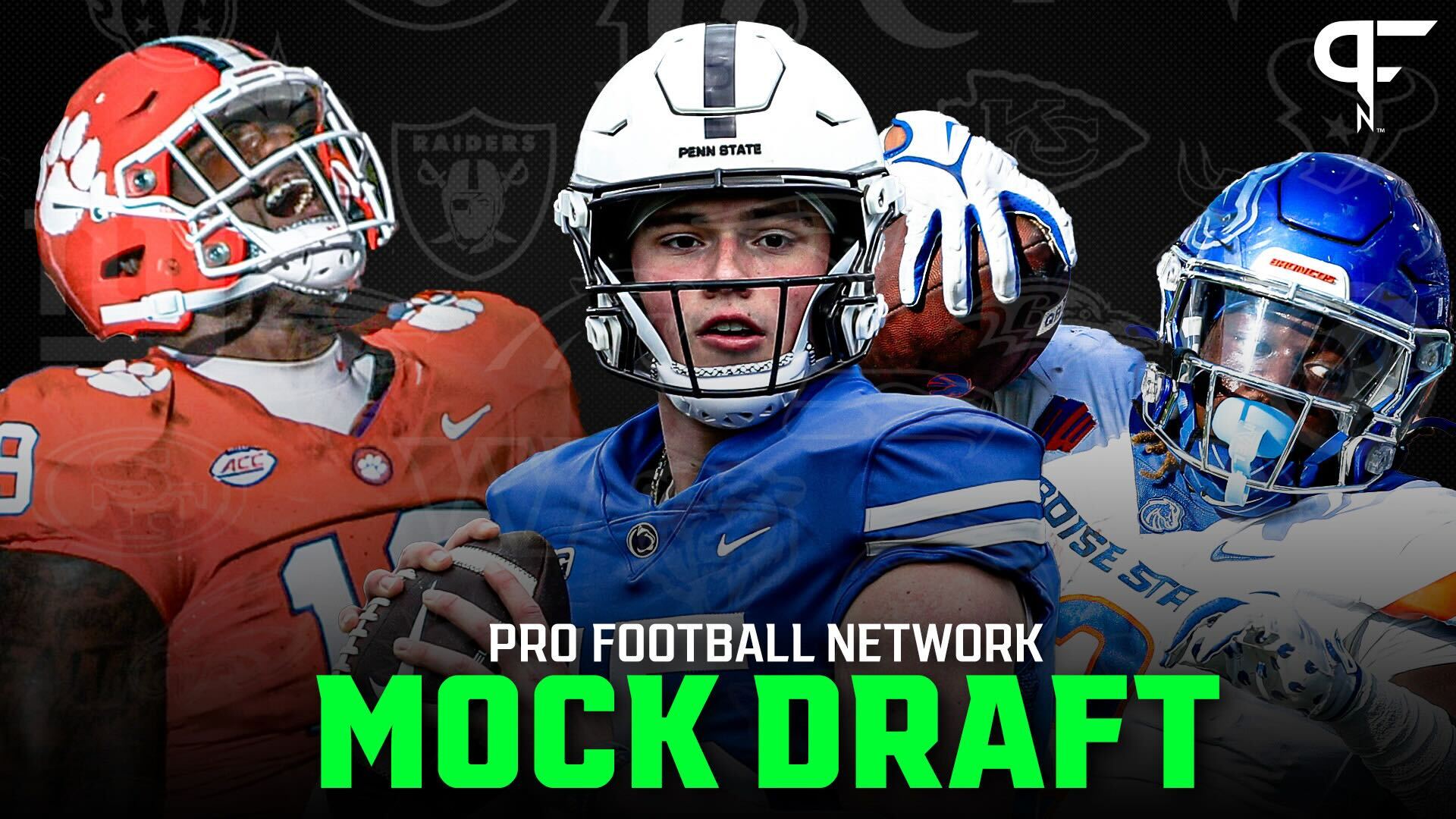
The NFL Draft is a cornerstone event in the league’s calendar, shaping the future of franchises and the careers of aspiring professional athletes. While the 2025 draft is still over two years away, the speculative world of mock drafts is already buzzing with anticipation. These hypothetical exercises provide a fascinating window into the potential landscape of the draft, offering insights into team needs, player projections, and the ever-evolving dynamics of the league.
Understanding the Value of Mock Drafts
Mock drafts, despite their hypothetical nature, offer numerous benefits for fans, analysts, and teams alike:
- Identifying Emerging Talent: By analyzing collegiate performances, scouting reports, and expert opinions, mock drafts highlight rising stars who could be poised to make an impact at the professional level.
- Analyzing Team Needs: Each mock draft reflects the unique needs and strengths of individual teams, showcasing potential solutions for areas requiring reinforcement.
- Exploring Draft Strategies: Mock drafts provide a platform for exploring different draft scenarios, allowing teams to consider various trade possibilities and draft order adjustments.
- Fueling Fan Engagement: Mock drafts engage fans with the excitement of the draft process, fostering discussions and debates about potential picks and team futures.
Factors Influencing Mock Drafts
The construction of a mock draft involves a complex interplay of variables, including:
- Player Performance: Collegiate performances throughout the 2023 and 2024 seasons will significantly impact player rankings and draft stock.
- Scouting Reports: Comprehensive scouting reports, evaluating players’ physical attributes, skills, and potential, are crucial for assessing their NFL readiness.
- Team Needs: Each team’s roster composition and performance in the upcoming seasons will determine their priority positions and draft targets.
- Trade Possibilities: The possibility of trades during the draft, influenced by team needs and draft positioning, can dramatically alter the projected draft order and player selections.
- Draft Order: The final draft order, determined by team records in the 2024 season, will play a pivotal role in shaping each team’s selection choices.
A Hypothetical 2025 NFL Mock Draft
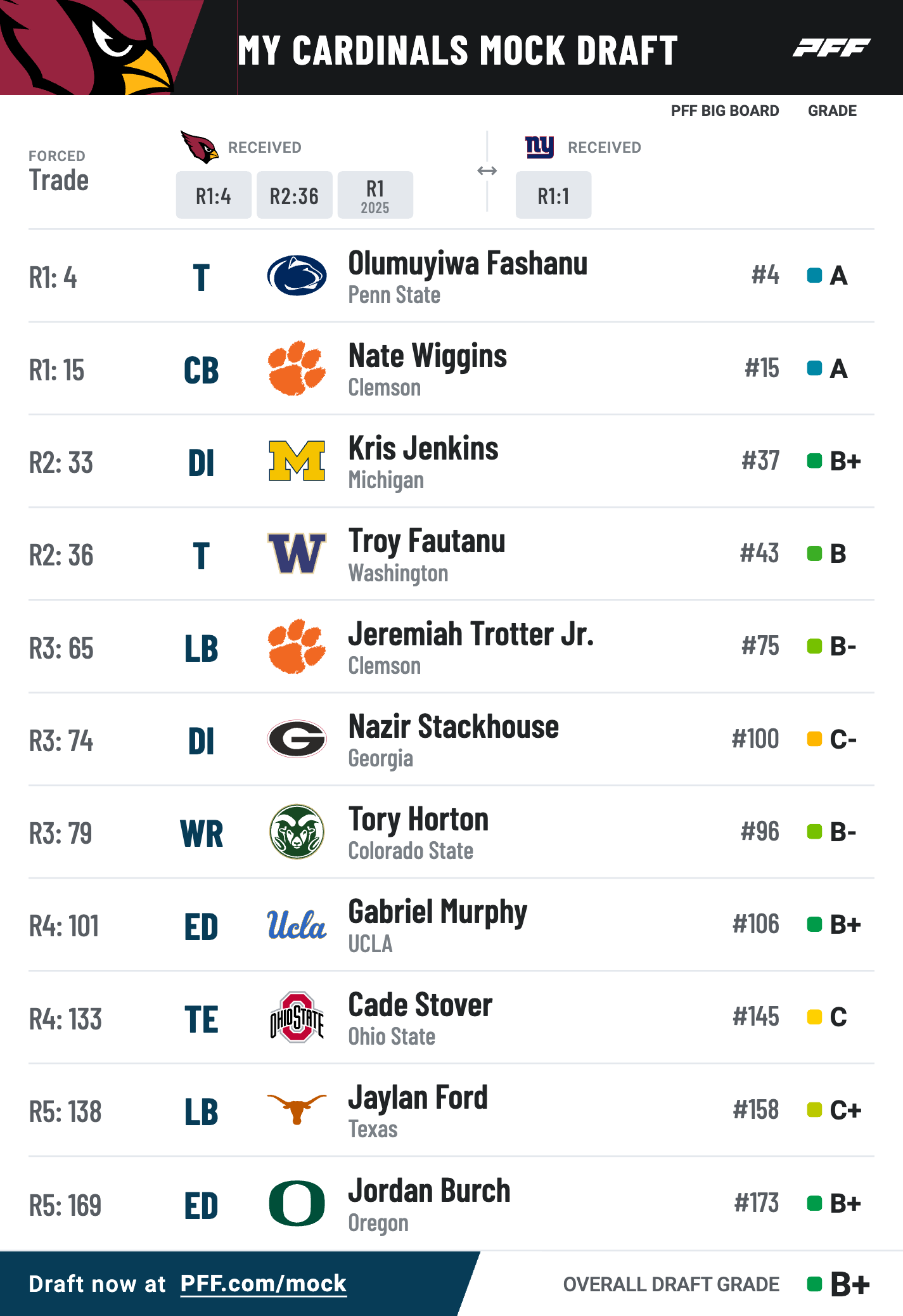
While predicting the future is inherently challenging, the following mock draft offers a potential snapshot of the 2025 NFL Draft landscape:
Round 1
- Carolina Panthers: QB – Caleb Williams (USC) – Williams’ exceptional talent and leadership potential make him the clear frontrunner for the top pick, potentially ushering in a new era for the Panthers.
- Houston Texans: DE – Myles Murphy (Clemson) – Murphy’s explosive athleticism and relentless pass-rushing skills make him a perfect fit for the Texans’ defensive scheme.
- Seattle Seahawks: OT – Carson Hinzman (Wisconsin) – Hinzman’s size, strength, and experience make him a cornerstone prospect for a Seahawks team seeking to protect their young quarterback.
- New York Jets: WR – Jaden Rashada (Florida) – Rashada’s electrifying speed and route-running precision would provide a significant boost to the Jets’ receiving corps.
- Indianapolis Colts: CB – Kool-Aid McKinstry (Alabama) – McKinstry’s lockdown coverage skills and athleticism make him an ideal addition to the Colts’ secondary.
- Arizona Cardinals: RB – Richard Young (Alabama) – Young’s explosive running style and receiving abilities would complement the Cardinals’ offensive attack.
- Atlanta Falcons: EDGE – Jeremiah Trotter Jr. (Clemson) – Trotter Jr.’s relentless pursuit of the quarterback and ability to disrupt plays make him a valuable asset for the Falcons’ defense.
- Las Vegas Raiders: OT – Blake Freeland (BYU) – Freeland’s size and experience make him a key building block for the Raiders’ offensive line.
- New Orleans Saints: S – Malachi Moore (Alabama) – Moore’s playmaking ability and coverage skills make him a potential game-changer for the Saints’ secondary.
- Detroit Lions: LB – Omar Speights (Oregon) – Speights’ leadership and tackling prowess would anchor the Lions’ defense.
- Chicago Bears: WR – Anthony Evans (LSU) – Evans’ exceptional route-running and hands make him a dangerous target for the Bears’ offense.
- Tennessee Titans: CB – Dorian Thompson-Robinson (UCLA) – Thompson-Robinson’s versatility and playmaking ability make him a unique prospect for the Titans.
- Philadelphia Eagles: DT – Mazi Smith (Michigan) – Smith’s size and strength make him a dominant force in the trenches, solidifying the Eagles’ defensive line.
- Pittsburgh Steelers: LB – Jaren Kanak (Oklahoma) – Kanak’s instincts and tackling ability make him a valuable addition to the Steelers’ defense.
- Green Bay Packers: TE – Jaheim Bell (Florida State) – Bell’s size, athleticism, and receiving skills make him a potential weapon for the Packers’ offense.
- Washington Commanders: WR – Isaiah Bond (Texas A&M) – Bond’s speed and route-running precision make him a dynamic threat for the Commanders’ offense.
- Los Angeles Chargers: RB – Rueben Owens (Texas A&M) – Owens’ powerful running style and receiving abilities would complement the Chargers’ offensive attack.
- Tampa Bay Buccaneers: OT – Cooper Hodges (Georgia) – Hodges’ size and athleticism make him a perfect fit for the Buccaneers’ offensive line.
- New England Patriots: DE – Aidan Hutchinson (Michigan) – Hutchinson’s relentless pursuit of the quarterback and ability to disrupt plays make him a valuable asset for the Patriots’ defense.
- Jacksonville Jaguars: S – Jordan Battle (Alabama) – Battle’s playmaking ability and coverage skills make him a potential game-changer for the Jaguars’ secondary.
- Buffalo Bills: WR – Devonta Smith (Alabama) – Smith’s exceptional route-running and hands make him a dangerous target for the Bills’ offense.
- Miami Dolphins: LB – Junior Colson (Michigan) – Colson’s leadership and tackling prowess would anchor the Dolphins’ defense.
- Baltimore Ravens: RB – Blake Corum (Michigan) – Corum’s explosive running style and receiving abilities would complement the Ravens’ offensive attack.
- Minnesota Vikings: CB – Terrion Arnold (Alabama) – Arnold’s lockdown coverage skills and athleticism make him an ideal addition to the Vikings’ secondary.
- Kansas City Chiefs: DT – Bryan Bresee (Clemson) – Bresee’s size and strength make him a dominant force in the trenches, solidifying the Chiefs’ defensive line.
- Dallas Cowboys: TE – Michael Mayer (Notre Dame) – Mayer’s size, athleticism, and receiving skills make him a potential weapon for the Cowboys’ offense.
- San Francisco 49ers: OT – Devon Campbell (Texas A&M) – Campbell’s size and experience make him a key building block for the 49ers’ offensive line.
- Denver Broncos: QB – Quinn Ewers (Texas) – Ewers’ arm talent and potential make him a high-risk, high-reward prospect for the Broncos.
- New York Giants: WR – Luther Burden (Missouri) – Burden’s speed and route-running precision make him a dynamic threat for the Giants’ offense.
- Los Angeles Rams: DE – Myles Garrett (Texas A&M) – Garrett’s explosive athleticism and relentless pass-rushing skills make him a perfect fit for the Rams’ defensive scheme.
Beyond Round One
The remaining rounds of the draft are crucial for filling out rosters and identifying potential hidden gems. Teams will focus on finding value in later rounds, selecting players who might not be highly touted but possess the talent and work ethic to succeed in the NFL.
The Importance of Perspective
It is crucial to remember that mock drafts are simply projections based on available information and expert opinions. The actual draft will unfold differently, influenced by unforeseen events, team needs, and the unpredictable nature of the game.
FAQs
Q: How are mock drafts created?
A: Mock drafts are typically created by analysts, scouts, and fans using a variety of factors, including player performance, scouting reports, team needs, and trade possibilities.
Q: Are mock drafts accurate?
A: Mock drafts are inherently speculative and rarely predict the actual draft outcome. However, they can provide valuable insights into potential draft scenarios and emerging trends.
Q: What is the purpose of mock drafts?
A: Mock drafts serve as a platform for exploring draft possibilities, engaging fans, and analyzing team needs. They also offer a glimpse into the future of the NFL, highlighting potential stars and franchise-altering selections.
Tips for Utilizing Mock Drafts
- Consider Multiple Sources: Review mock drafts from various sources to gain a comprehensive understanding of potential draft outcomes.
- Focus on Player Strengths: Pay attention to players’ strengths and how they might translate to the NFL level.
- Analyze Team Needs: Evaluate each team’s roster composition and identify areas where they might seek reinforcements.
- Engage in Discussions: Participate in online forums and discussions about mock drafts to gain different perspectives and insights.
Conclusion
Mock drafts for the 2025 NFL season offer a glimpse into the exciting world of talent evaluation and team building. While they are inherently speculative, they provide a valuable platform for exploring draft possibilities, analyzing team needs, and fueling fan engagement. As the 2023 and 2024 seasons unfold, mock drafts will continue to evolve, offering a constantly changing landscape of potential draft scenarios and future stars.


Closure
Thus, we hope this article has provided valuable insights into A Glimpse into the Future: Mock Drafts for the 2025 NFL Season. We appreciate your attention to our article. See you in our next article!